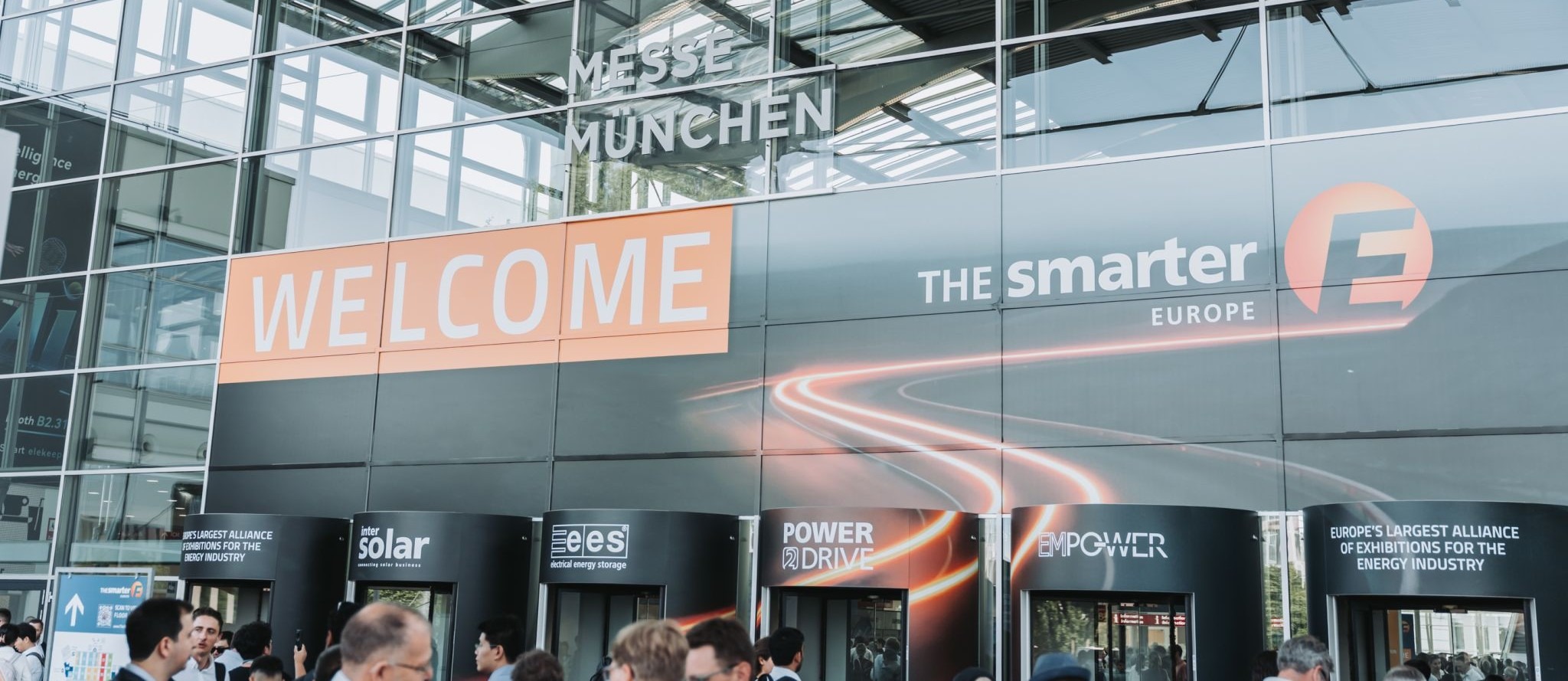
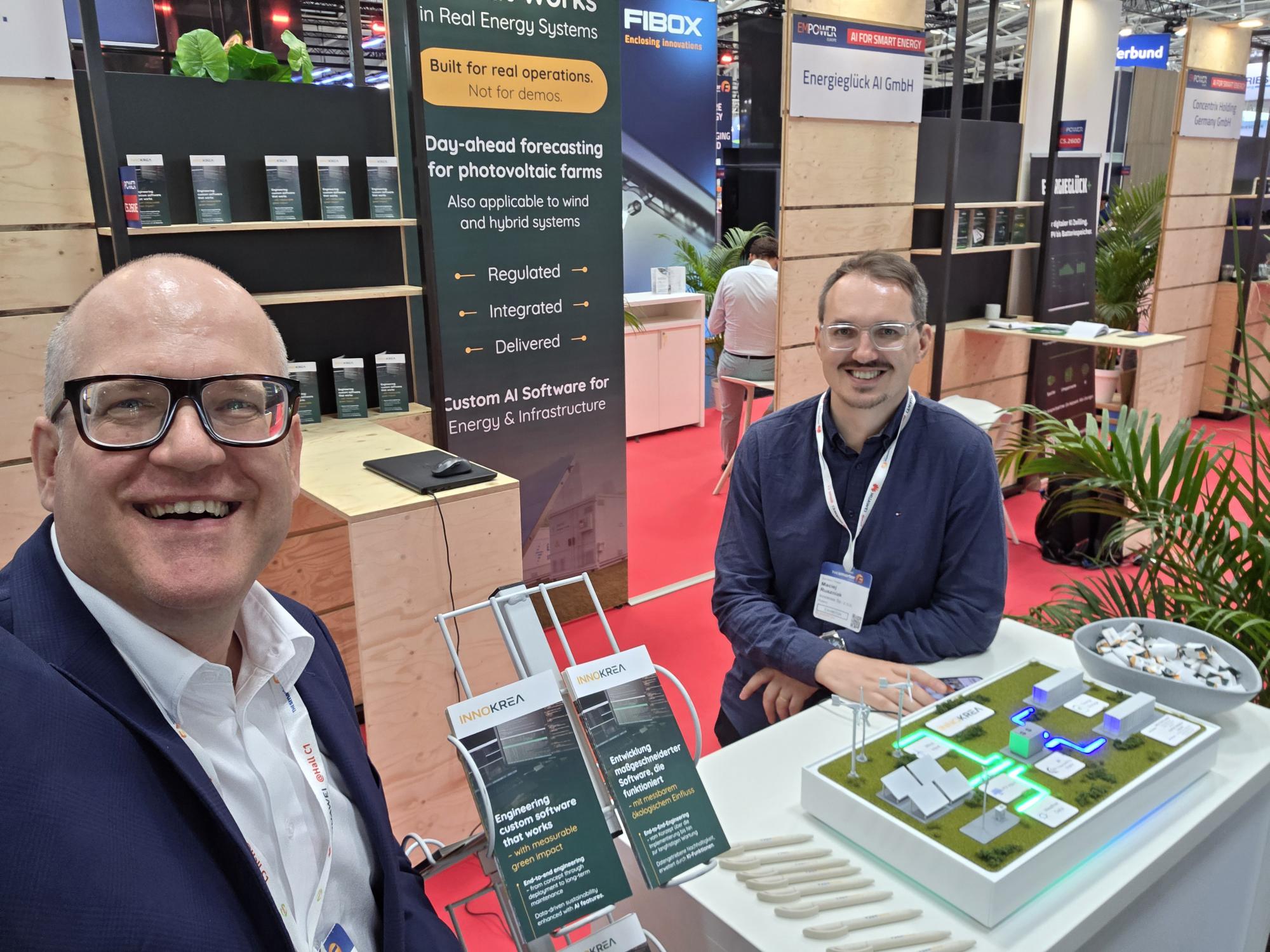
During The Smarter E Europe / Intersolar 2026, virtually every conversation about the modern energy sector sooner or later led to one topic—data and artificial intelligence. It would not be an exaggeration to say that AI is no longer viewed as an innovative add-on, but has become an essential element supporting energy forecasting, optimization, and management.
For INNOKREA, this confirms that we are on the right track. By developing an AI-powered system for forecasting energy production from PV installations, we have gained experience in one of the key areas of the modern energy sector. Today, we fully understand that this is just the first component of a much larger ecosystem.
Filled with positive energy, we’d like to share a few interesting facts and takeaways from this great event below:
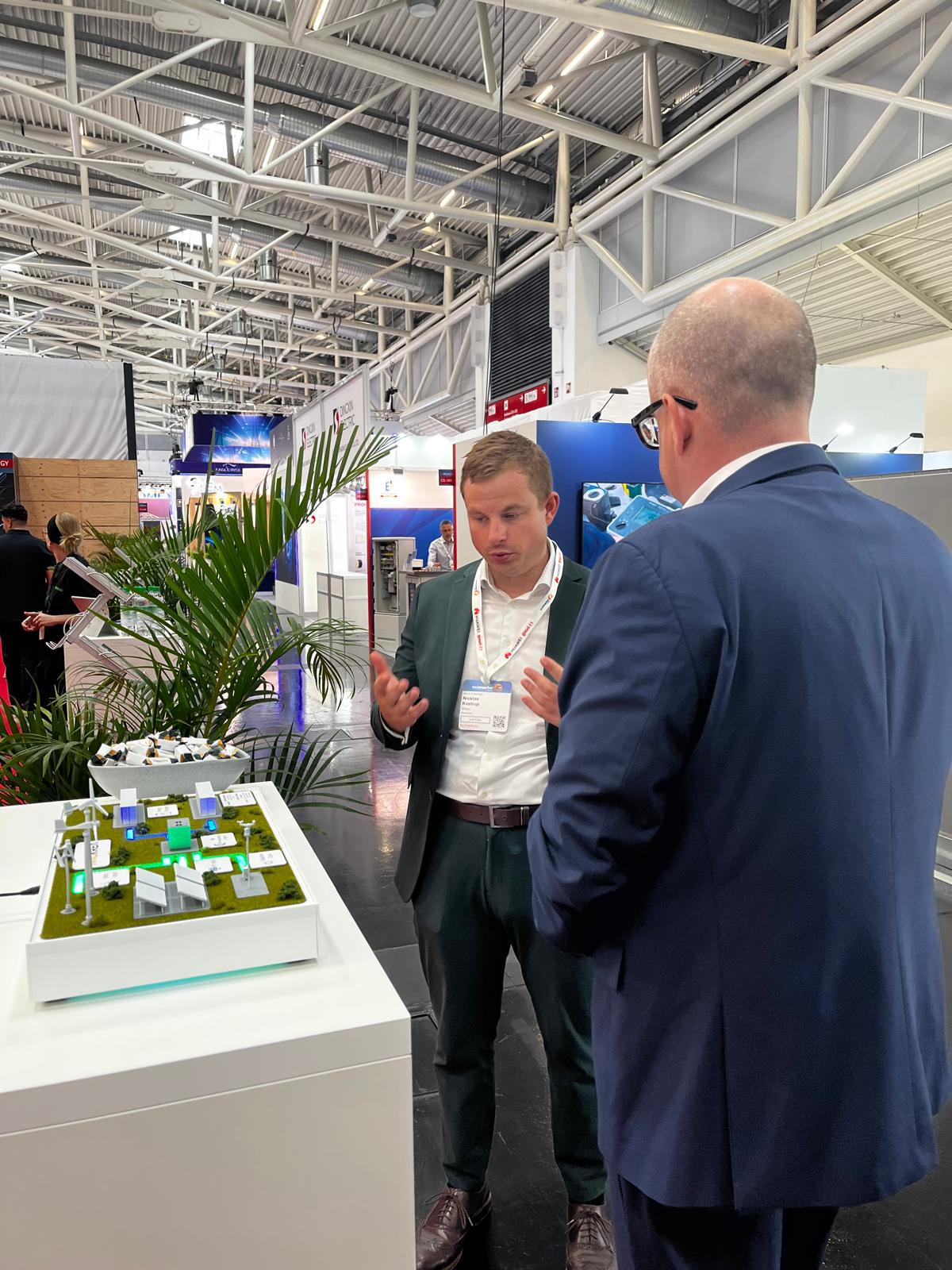
Conclusion 1
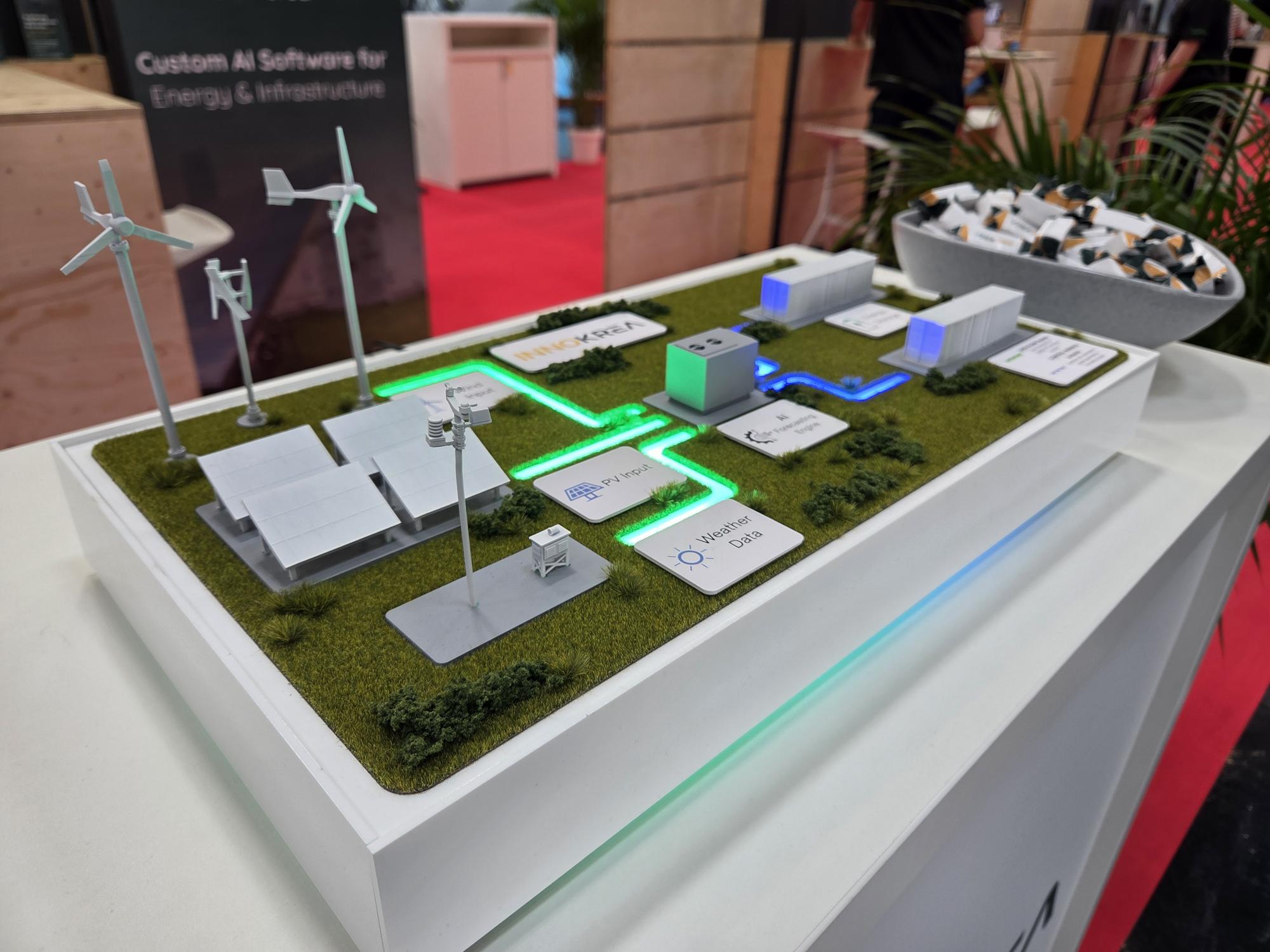
Energy production forecasting is no longer a standalone analytical tool. It increasingly serves as the foundation for EMS systems, battery energy storage systems (BESS), energy trading platforms, and solutions that support grid stability.
This shows that the greatest value lies not solely in the forecasting model itself, but in its integration with the rest of the energy infrastructure. This is the direction in which we want to develop our expertise and projects.
Conclusion 2
Energy storage systems were one of the main topics at this year’s trade show. However, there was just as much discussion about the software—which determines how the equipment is used—as there was about the equipment itself.
The efficiency of an energy storage facility depends not only on technical parameters, but also on the quality of data, algorithms, and decision-support systems. This is an area where software is becoming just as important as infrastructure.
Conclusion 3
More and more device manufacturers are developing their own digital platforms while also providing open interfaces that enable integration with solutions from other vendors.
The energy transition will rely on the integration of multiple systems. We see a growing need for dedicated applications, data integration, and platforms that will enable customers to effectively utilize technologies from different manufacturers. It is in these areas that we want to support our customers.
Conclusion 4
The most interesting solutions presented at The Smarter E Europe were developed at the intersection of various areas of expertise—device manufacturers, system integrators, software companies, and artificial intelligence experts.
We believe that the future of the energy sector will be based on partnerships. That is why we want to develop collaborations with companies that complement our expertise and work together to create solutions that address the challenges of the energy transition.
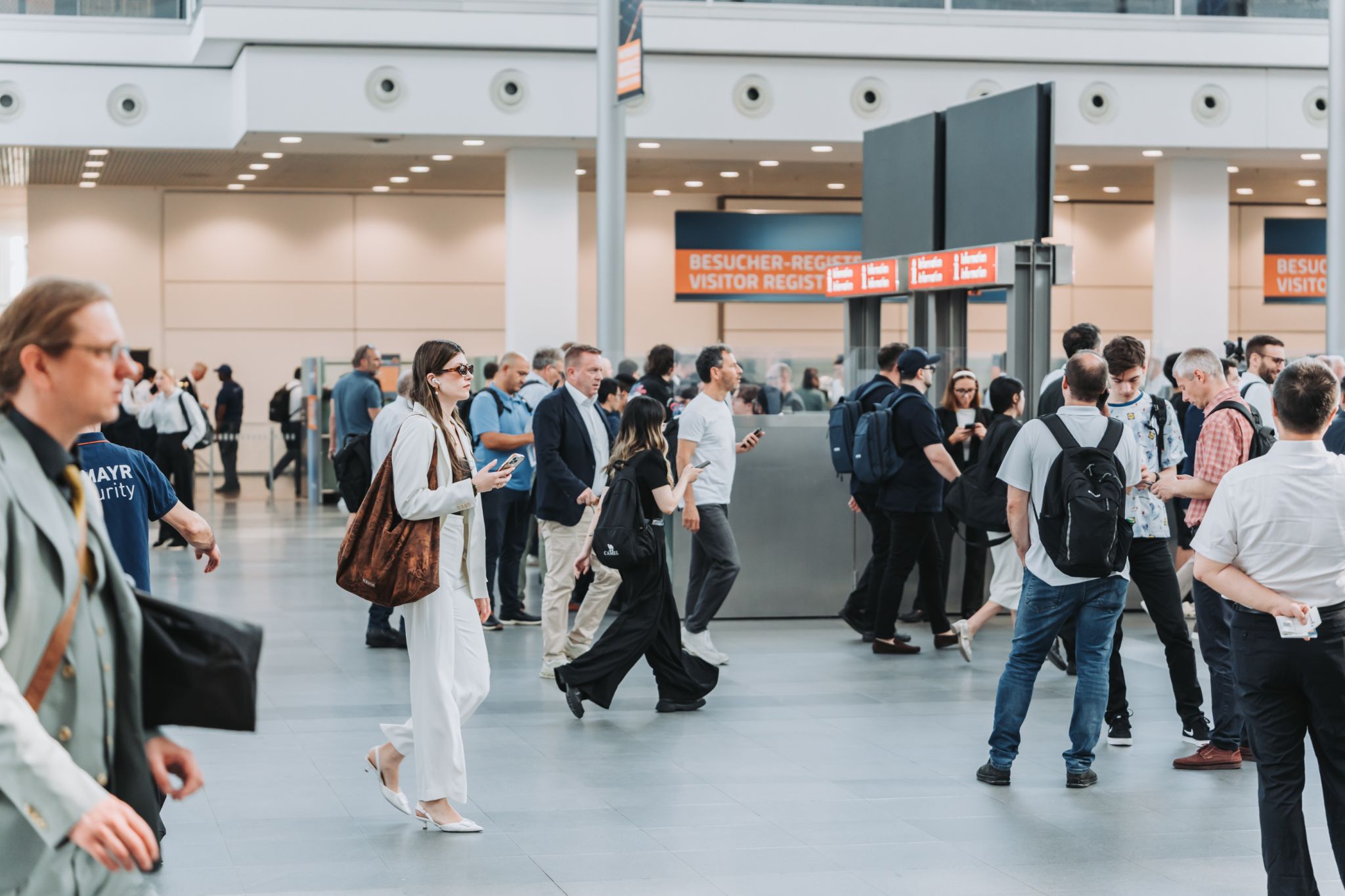
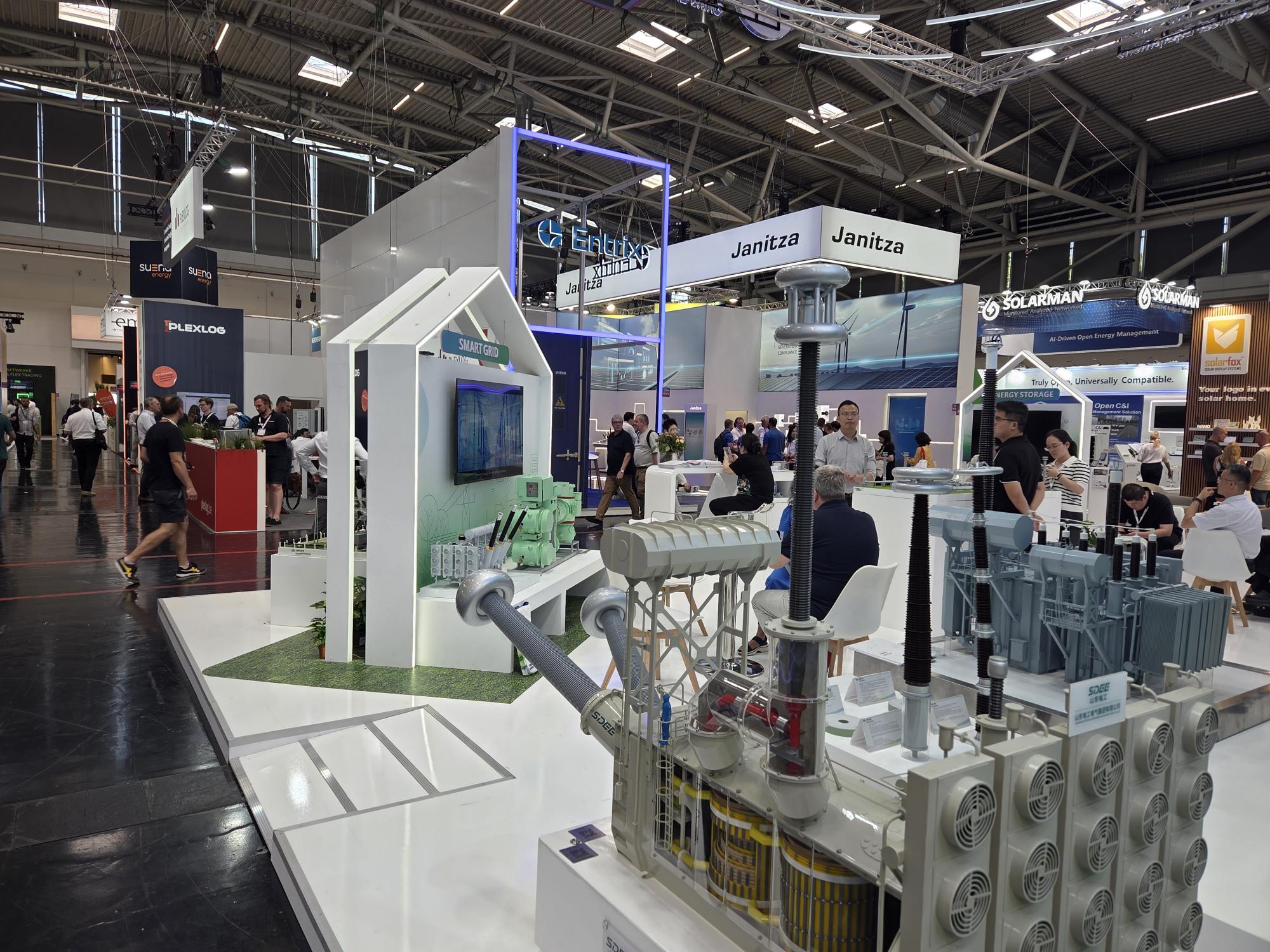
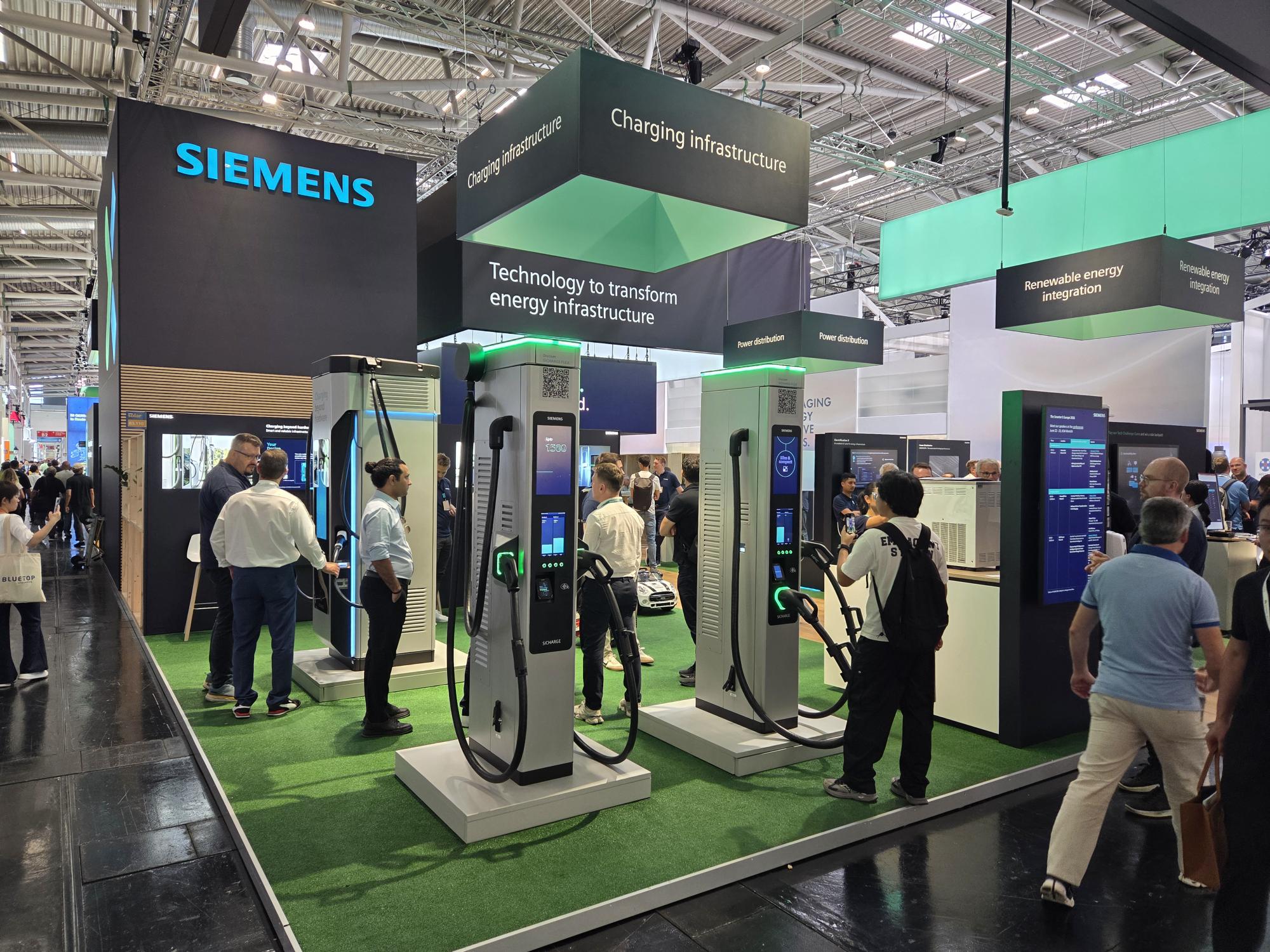
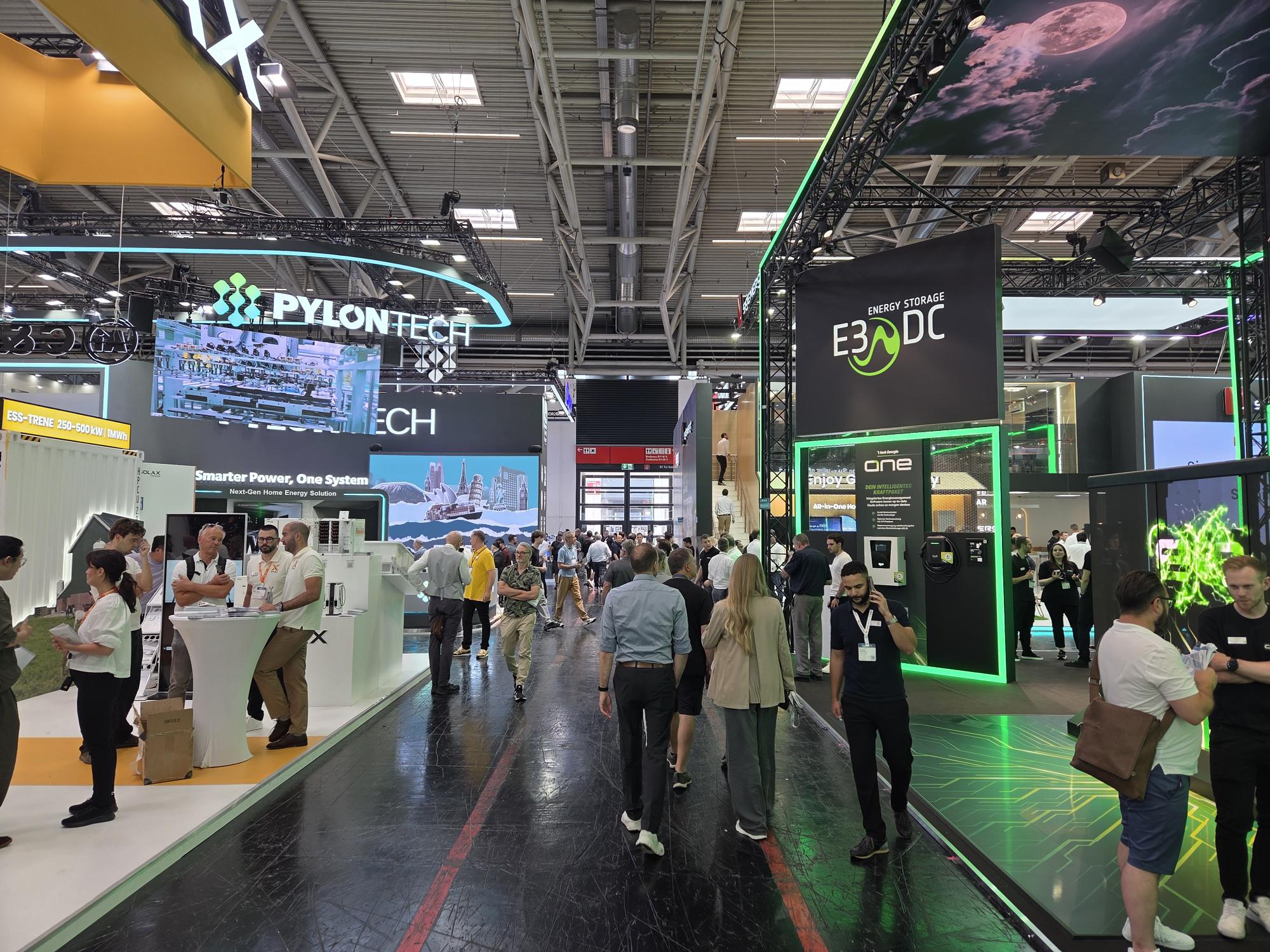
And you know what’s the best part? It’s that, once again, we’ve seen that the energy transition is, above all, about people—experts, technology partners, and customers who are working together to find new ways to build a more efficient and resilient energy system.
We’re returning from Munich with new contacts, inspiration, and even greater motivation to continue growing. We’d like to thank everyone we had the opportunity to meet and exchange experiences with. We believe that many of the conversations we started during the trade show will turn into projects that will tangibly support the energy transition in Europe.
Finally, we’d like to extend one more well-deserved thank you to the organizers of The Smarter E Europe for bringing together such a large European energy community! It was wonderful to be your guests at such a well-organized, open, and collaborative event.
We’ll definitely be back here! 🚀⚡